
Oregon Public Records Law
Oregon's public records law gives the public a broad right of access. Under ORS 192.314, every person may inspect nonexempt public records of a public body. The law also sets the process for inspecting and copying records and allows fees that reasonably cover the actual cost. A public body must respond within statutory time frames and separate exempt material so the rest can be disclosed.
The statute chapter is posted in full by the state legislature.
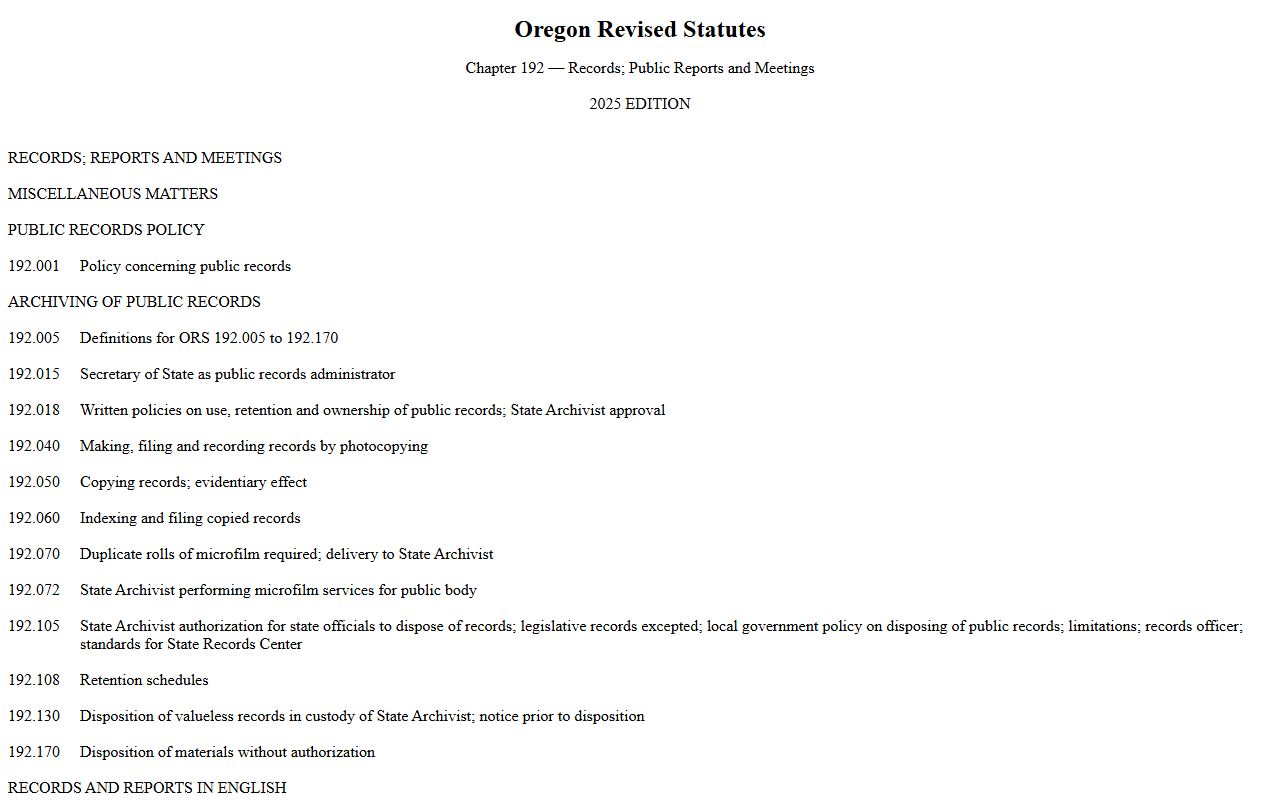
The ORS Chapter 192 page holds the core public-records provisions, from the right to inspect through the fee and response rules.
The law applies to all kinds of government bodies. A county department, a city office, a school district, and a state agency are all public bodies under the statute. Each holds its own records and answers its own requests. There is no single statewide inbox, so part of the job is finding the right custodian before you ask.
Court Records vs County Records
This split confuses most people. Court case files are not general county records. They are held by the Multnomah County Circuit Court under ORS 7.130 and Oregon Judicial Department rules. County records, such as recorded deeds and business filings, are held by county offices. Sending a request to the wrong custodian is the most common reason for delay.
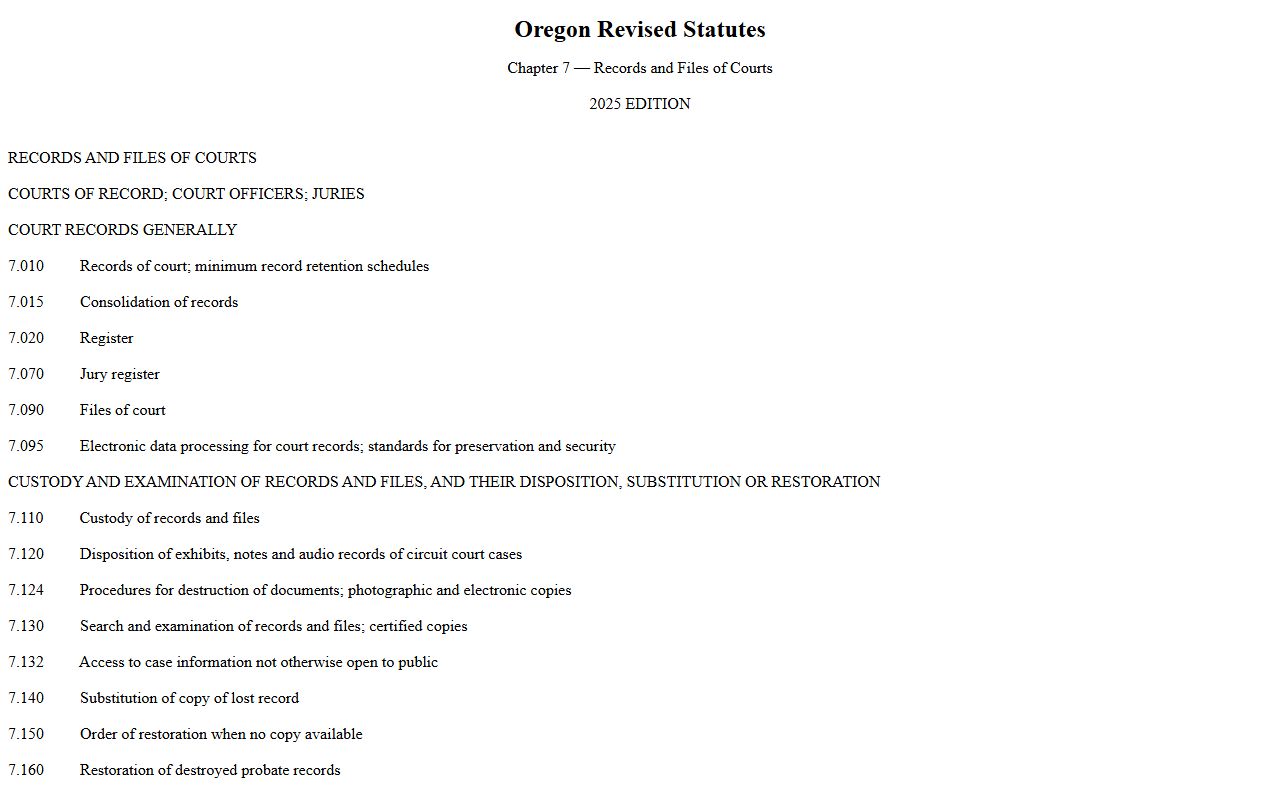
The ORS Chapter 7 page covers court records and files, which is why a court file request goes to the court rather than a county records desk. For court files, the court records page explains the process.
The county itself is clear on this point. Its locating-records guidance tells users that court records are not held by the county and are available through the Circuit Court. Marriage, property, and recorded documents are county records. General criminal-history checks go to the Oregon State Police. Reading that routing first saves a wasted request.
How to File a Multnomah County Public Records Request
A good request is specific. Name the records you want, give dates and names where you can, and pick how you want to receive them. The clearer the request, the faster the response. The steps below work for most county public bodies.
- Identify the public body that holds the record.
- Describe the records clearly, with dates, names, and topics.
- Submit the request in the office's preferred format.
- Ask for a fee estimate before large copy jobs.
- Track the response within the statutory time frame.
For court case files, a separate court records request applies, and the Clerk of Court page covers it.
A request does not have to use a special form unless the office requires one. A clear letter or email often works. The key is to describe the records well enough that staff can find them without guessing. A vague request slows everything down, while a precise one moves quickly.
Public Records Request Fields
Most request forms ask for the same core details. Filling them in fully helps staff find the record and contact you. The table lists the fields a typical request uses.
| Field | What to Provide |
|---|---|
| Requester name | Your full name. |
| Contact information | Phone, email, or mailing address for the response. |
| Records described | A clear description with dates, names, and topics. |
| Date range | The time period the records cover. |
| Delivery method | Email, mail, or in-person pickup. |
| Fee agreement | Whether you accept copy and staff-time charges. |
Public Records Fees
Under Oregon law, a public body may charge fees that reasonably cover the actual cost of finding and copying records. ORS 192.324 sets the process for inspecting and copying and the basis for fees. Court copy fees are separate and follow the court's own schedule. The table shows common charge types.
| Item | Basis |
|---|---|
| Copy charges | Per-page or per-record cost set by the office. |
| Staff time | Time to locate, review, and prepare records. |
| Court copy fees | Set by the court fee schedule for case files. |
| Fee waiver | May apply when disclosure serves the public interest. |
Note: ask for a fee estimate before a large request, since a public body can require payment before it produces records.
Public Records Denials and Appeals
A public body can deny part or all of a request when the law allows. You have a path to challenge a denial. For records held by a local public body, a denied requester may petition the Multnomah County District Attorney under ORS 192.407. State agency denials generally go to the Oregon Attorney General.
Court records are different. A dispute over a court case file usually needs a motion to the court or review by the Presiding Judge, not a standard records appeal. So the right appeal path depends entirely on who holds the record.
A denial should cite a reason, usually a specific exemption. If you think the denial is wrong, the District Attorney petition is a low-cost way to get review for local records. The DA can order the body to release the record or uphold the denial. That order process is a real check on agencies that withhold too much.
Confidential Exemptions
Not every record is open. Oregon law lists records that are exempt or conditionally exempt to protect privacy, safety, and investigations. Some categories are flatly exempt, while others weigh the public interest against the harm of disclosure. A public body must still separate the exempt material from the nonexempt material and release what it can.
These exemptions cover sensitive material like certain investigatory records, personnel details, security information, and personal identifiers. The goal is to keep most government records open while shielding the narrow categories the law protects.
The split-and-release rule matters here. Even when part of a record is exempt, the body must redact that part and release the rest. So a denial in full is unusual when only a portion is sensitive. If a whole record is withheld, that is worth questioning on appeal.
Juvenile Record Confidentiality
Juvenile court records carry strong protection. Under ORS 419A.255, juvenile delinquency and dependency records are confidential and limited to parties, attorneys, agencies, and people the court authorizes. This is one of the clearest limits on public access in Oregon. The rule reflects a policy choice to give young people a chance to move past early mistakes without a permanent public record following them.
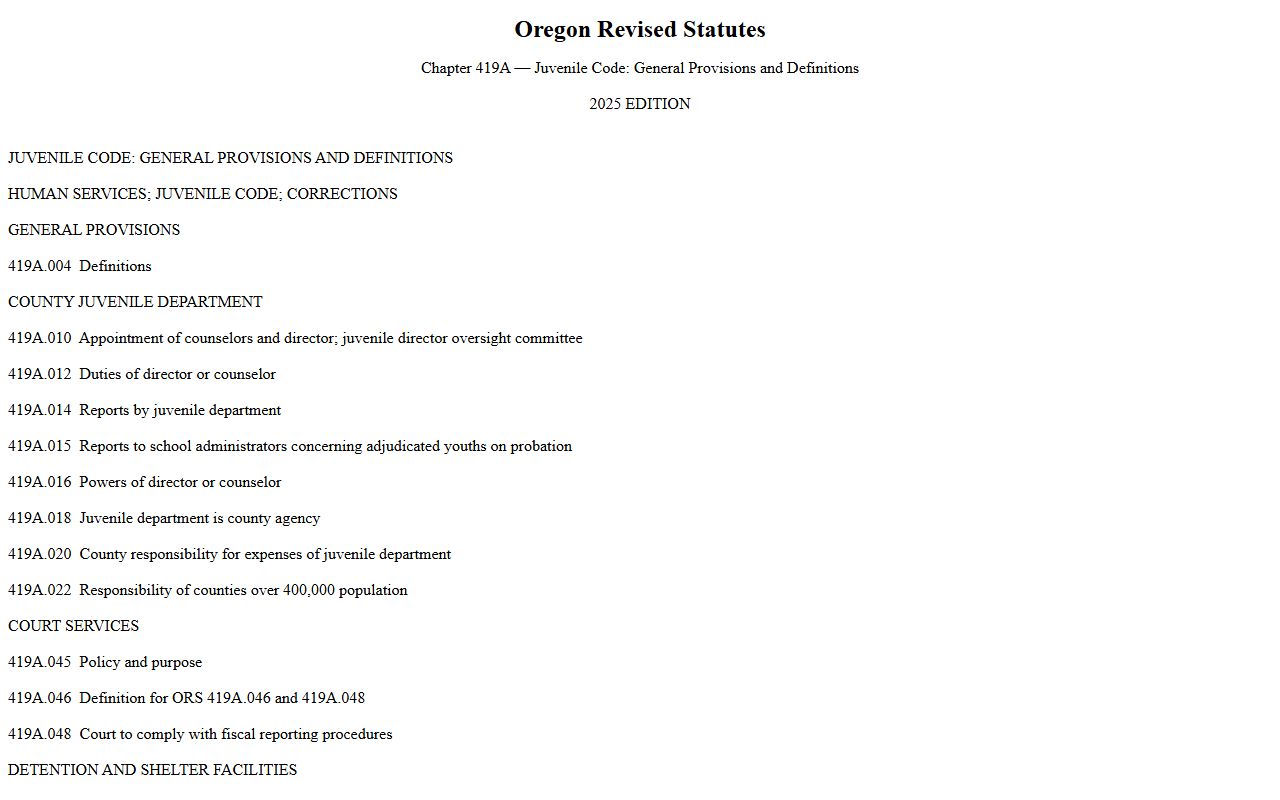
The ORS Chapter 419A page sets out the juvenile-record confidentiality rules that keep these files out of public search.
Adoption Record Confidentiality
Adoption records are confidential under Oregon law. They are not ordinary public court records and are released only through a statutory process or a court order. This protects the privacy of children, birth parents, and adoptive families. An adult adoptee seeking records usually works through the statutory process rather than a general public records request, since the file is sealed by law.
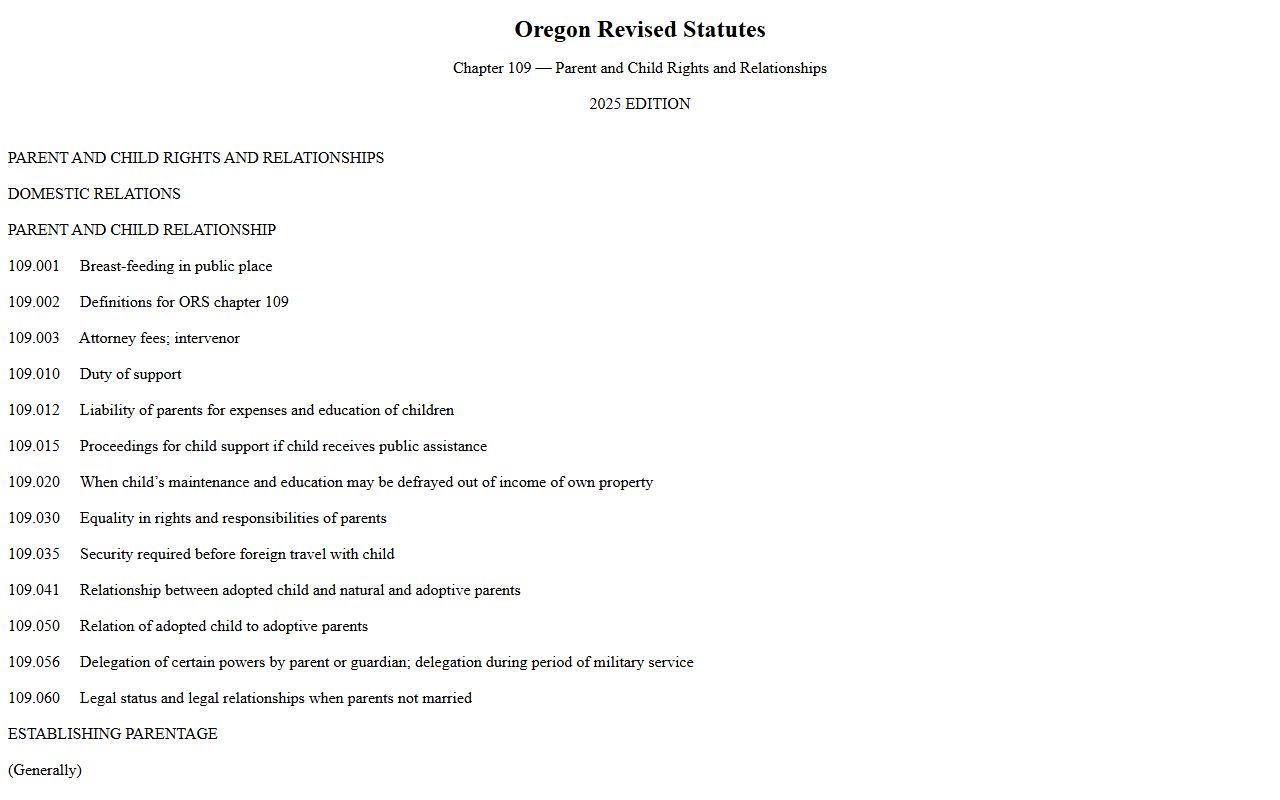
The ORS Chapter 109 page includes the adoption-record provisions, including ORS 109.319, that govern access.
Set-Aside and Sealed Records
Oregon lets people clear eligible criminal records through a set-aside. Under ORS 137.225, a person may petition to set aside eligible arrests, charges, citations, and convictions. A granted set-aside seals the record from ordinary public access, so a later public records search will not return it. The petition is filed in the court where the case happened, with notice to the prosecutor, and a judge decides whether the record qualifies.
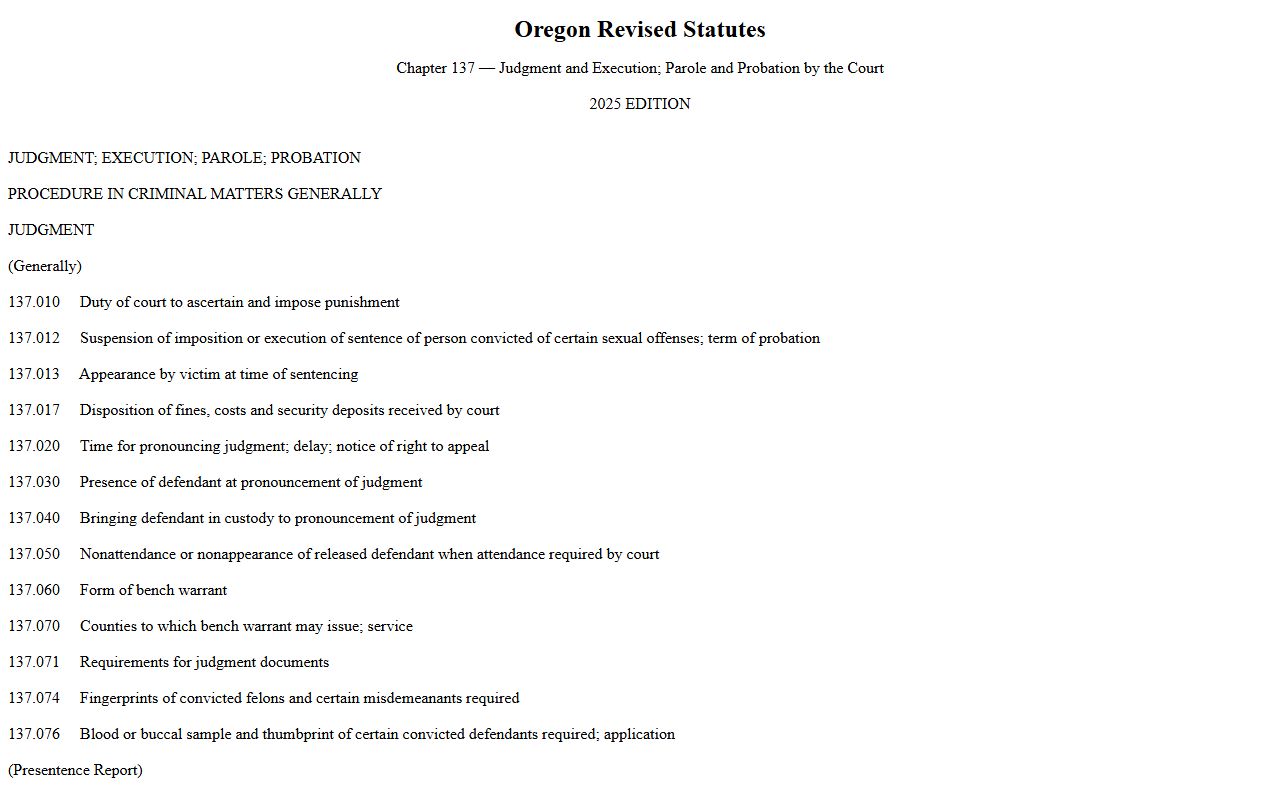
The ORS Chapter 137 page contains the set-aside provisions. The arrest records page explains how set-aside relief works in plain terms.
Sex Offender Information
Some criminal information is released through a public registry rather than a records request. The release of sex-offender information and the public registry are governed by ORS 163A.215. Oregon's classification system limits which registrants appear on the public site, so the public registry is narrower than a full criminal record and is not a substitute for it.
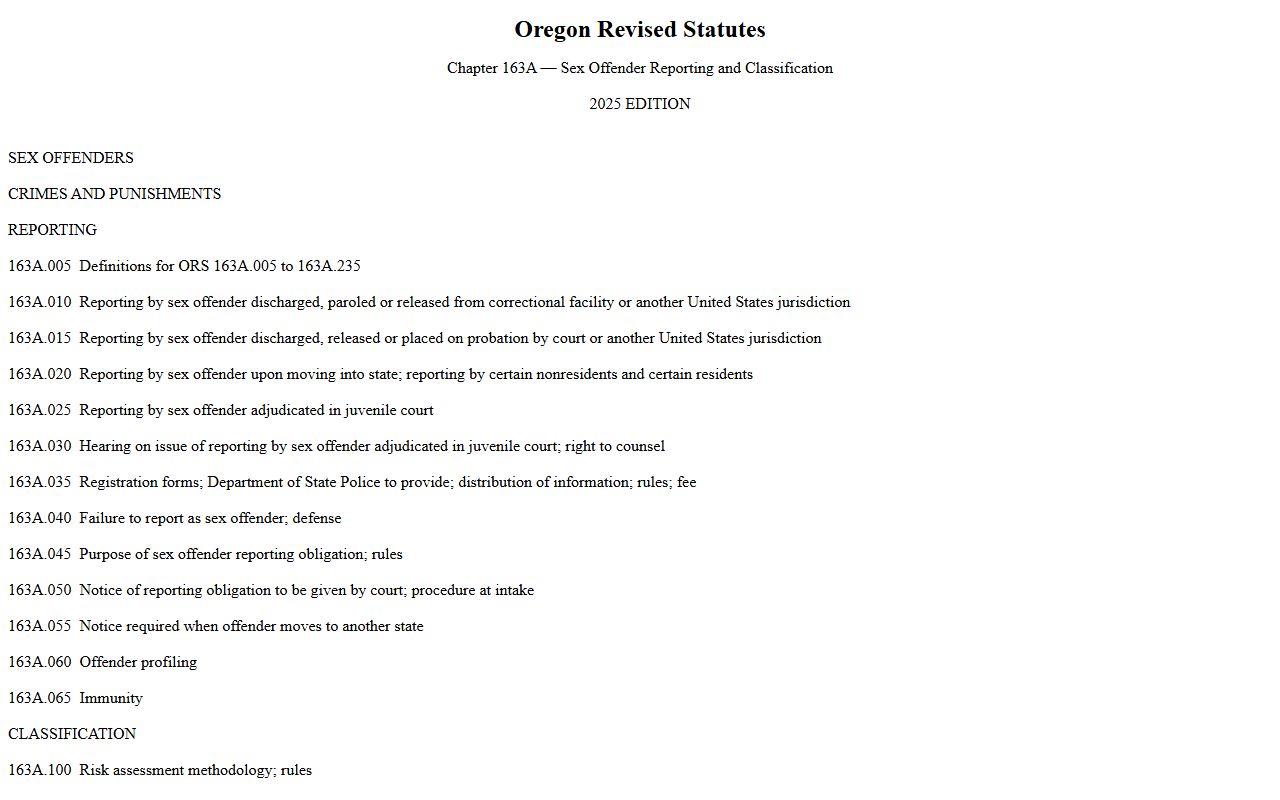
The ORS Chapter 163A page covers sex-offender information and classification. The released inmates page explains how to search the public registry.